

Basement Centipede or Something Else? How to Identify Bugs With Lots of Legs
August 28, 2025
Types of House Flies: A Guide to the Different Species You Might See Indoors
October 2, 2025
When you spot small insects crawling in or around your home, it can be difficult to tell whether you’re dealing with ants or termites. Though they may look similar at first glance, the difference between ants and termites is significant, especially when it comes to damage and treatment.
Ants Versus Termites
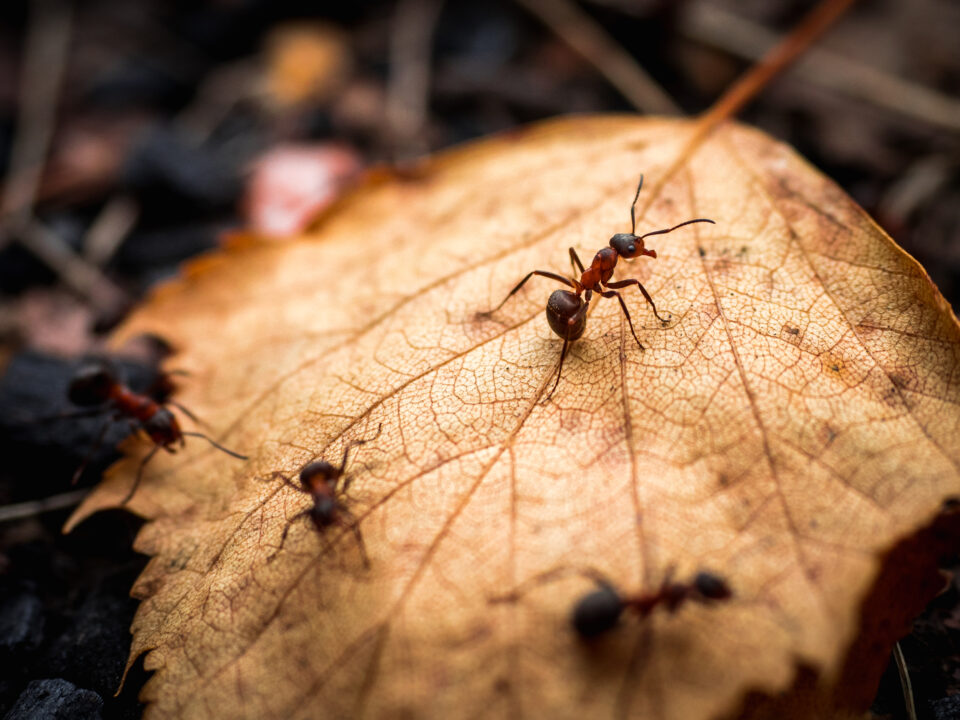
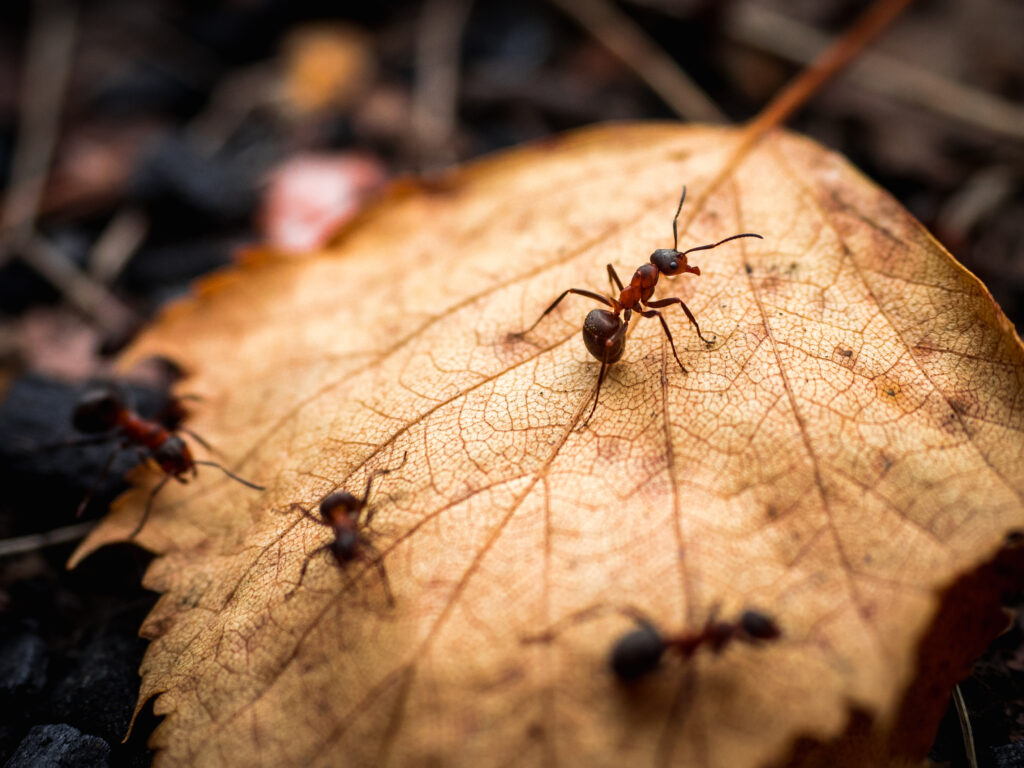
Ants and termites are among the most troublesome pests that homeowners and property managers encounter. At first glance, these two insects may seem quite similar, but a closer look reveals essential differences in their physical characteristics, life cycle, and the way they interact with your home.
Both ants and termites can form large colonies and invade buildings, but the type of damage they cause and the methods required for effective pest control are very different. Understanding how to tell the difference between ants and termites is essential for protecting your property from costly repairs and ongoing infestations.
Ants and Termites: What’s the Difference?
Both ants and termites are social insects that form large colonies, but they belong to entirely different orders. Ants are part of the Hymenoptera family, while termites belong to the order Blattodea. When comparing termites and ants, it is important to note their distinct physical and behavioral characteristics.
| Termites | Ants | |
| Body Shape | Broad waist | Narrow, pinched waist |
| Color | Pale, creamy, or light brown | Dark brown, black, or red |
| Wings (Swarmers) | Four wings, same length | Four wings, front longer |
| Antennae | Straight antennae | Bent antennae |
| Waist | No constriction | Constricted or pinched |
Understanding these visual differences is key when identifying tiny termites or ants around your property.
Where Do Ants and Termites Live and What Do They Eat?
The diet and habitat of ants and termites play a significant role in determining where and how infestations occur.
Ants are highly adaptable insects that thrive in a variety of environments, from gardens and lawns to kitchens and wall voids. Most ant species are omnivores, feeding on everything from sugary spills and crumbs to proteins and other insects. Carpenter ants are a notable exception. They don’t eat wood, but they do tunnel through it to build their nests, which can lead to significant wood damage over time.
Termites, in contrast, have a specialized diet focused on cellulose, the main component of wood and plant material. This means termites feed on wood, paper, and even some fabrics, making them a serious threat to the structural integrity of homes and buildings. Subterranean termites are especially destructive, as they build extensive mud tubes to travel between their underground colonies and above-ground food sources. These mud tubes help termites survive in dry conditions and allow them to access wood hidden within walls, floors, and foundations.
By understanding where ants and termites live and what they eat, you can better identify the signs of an infestation and take proactive steps to protect your property. Keeping areas dry, sealing entry points, and removing food sources are all effective ways to reduce the risk of these pesky insects making themselves at home.
Termite Eggs vs Ant Eggs
Another way to identify an infestation is by looking at the eggs. Understanding the difference between termite eggs and ant eggs can help pest professionals make an accurate diagnosis.
- Termite eggs are white, oval, and clustered tightly in hidden nests.
- Ant eggs are also small and white, but tend to be more spread out in visible trail paths or nest chambers.
Spotting either type may indicate a growing colony nearby.
Ant Larvae vs Termites
Both ants and termites go through complete metamorphosis, but their larvae have unique characteristics.
- Ant larvae are legless, white, and resemble small maggots, often curled.
- Termite larvae, on the other hand, look like miniature workers and are more segmented.
Tiny Termites or Ants: Which One is It?
The answer often lies in the time of year and location. Swarming termites typically appear in the spring and are attracted to light, while ant swarms may happen in warmer months but are usually shorter-lived.
If you’re unsure whether you’re seeing ants and termites, it’s best to consult a professional pest control provider. Misidentifying these insects can lead to incorrect treatment and potential structural damage in the case of termites.
Why It Matters: Ants vs Termites in Pest Control
The stakes are high when it comes to ants versus termites. While ants are a nuisance, termites cause billions in property damage each year. Treating one as the other can lead to ineffective solutions and costly repairs.
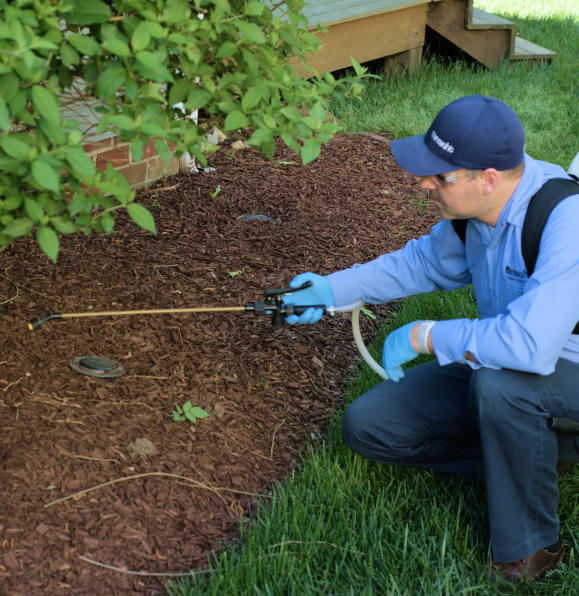
At Insight Pest Solutions, we offer expert inspection and treatment for both ant and termite infestations. Our trained technicians know how to identify the subtle yet critical differences between these pests, ensuring your home is protected year-round.
Need Help Identifying Ants or Termites?
If you’re struggling to determine whether you’re dealing with ants or termites, don’t wait. Contact Insight Pest Solutions today for a professional inspection. We’ll help you find the right solution, whether it’s ant control, termite control, or general pest control!